

Is Sleepy Hollow a Real Place? The History Behind the Legend
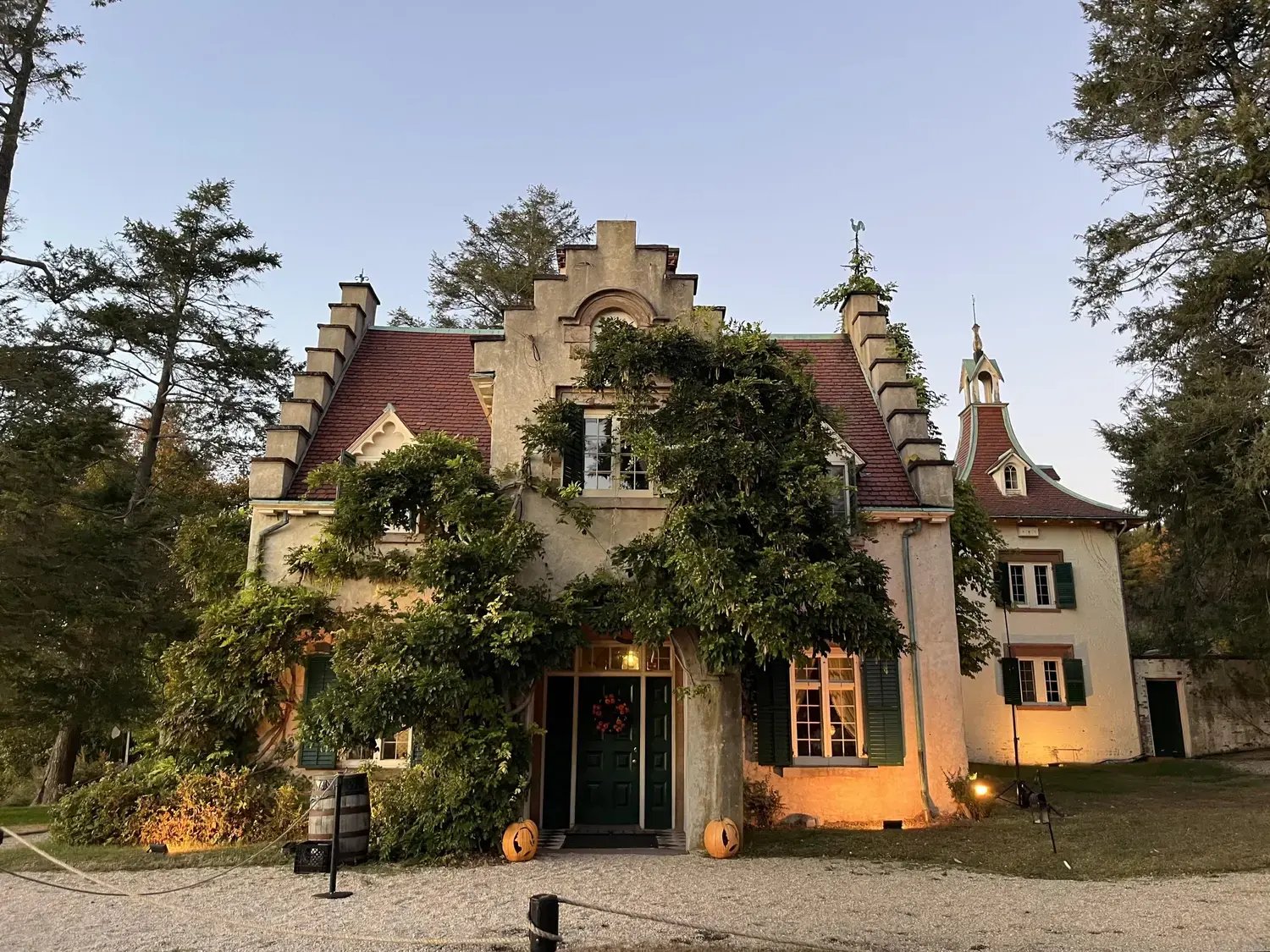
You might drive into Sleepy Hollow expecting a theme park. You might picture pumpkins on every lamppost and a costumed character on every corner, with the Headless Horseman chief among them. Instead, what you’ll find is a working Hudson River village with a commuter rail stop, a lighthouse, a busy commercial avenue, and a surprising amount of civic pride. The question most visitors ask is a fair one, and it deserves a straight answer. This guide skips the story and focuses on the real place.
Is Sleepy Hollow a Real Place? Yes, and Here’s Where It Sits
Sleepy Hollow is a real place, and you can find it on any map. The village sits on the east bank of the Hudson River in Westchester County, about 25 miles north of Manhattan, and Metro-North’s Philipse Manor station serves it. If you’re wondering whether there is a real place called Sleepy Hollow, the 2020 census settles it by counting 9,986 residents. The village operates as a municipality within the town of Mount Pleasant, which also answers the question of whether Sleepy Hollow is a real town: it has its own village government, its own streets, and its own history.
The Town That Voted to Rename Itself
For most of the twentieth century, this village was North Tarrytown, a factory town organized around a General Motors assembly plant. The last vehicle, a Chevrolet Lumina minivan, rolled off the line and the plant was officially shuttered on June 28, 1996, after 82 years of production under the GM brand and 100 years of pivotal automotive history. Residents feared that losing their largest employer would also cost them their identity.
That December, voters approved a new name by a margin of 1,304 to 710. An earlier referendum had failed eight years before. Supporters argued that “North Tarrytown” made the village sound like the northern part of somewhere else. Washington Irving published his story in 1820, so the village adopted the name 176 years after the tale appeared. Few American places have made so deliberate a choice to become their own legend.
Why Is Sleepy Hollow Famous, and Does It Matter?
So why is Sleepy Hollow famous? The story made the name famous, and the village decided to wear it. Is Sleepy Hollow real in the way the fiction suggests? Not exactly. But the real village has proved more durable than the brand. In 1996, journalists noted that few tourists paused in the downtown. Visitors now come in numbers, yet residents still commute, send children to school, and run shops between the autumn crowds.
A River Village Built on Water and Rail
Geography explains much of the village’s character. According to the Census Bureau, Sleepy Hollow covers 5.1 square miles, and 2.8 of them are water. Kingsland Point Park, an 18-acre riverside park opened in 1926, offers picnic areas and river views, and you reach it only by crossing a bridge over the Metro-North tracks. The historic lighthouse sits a ten-minute stroll along the Riverwalk. The park lies about 2.5 miles from The Sleepy Hollow Hotel by rideshare.
Nearby, the former GM site is now Edge-on-Hudson, a 70-acre mixed-use redevelopment where factory floors once stood. Beekman Avenue crosses a bridge into that development, which links the older neighborhoods to the new waterfront. The train still puts Manhattan about forty minutes away.
Working Neighborhoods and Historic Estates
The village feels like a working community rather than a postcard. Roughly half of residents identify as Hispanic or Latino, and the 2010 census found one of the highest shares of Ecuadorian Americans of any community nationwide. About 40 percent of residents were born abroad. Beekman Avenue, the commercial street leading toward the waterfront, reflects that mix with bodegas, salons, and small restaurants.
History runs beneath those storefronts. Philipsburg Manor, about 2.5 miles, approximately a 10-minute rideshare from The Sleepy Hollow Hotel, preserves an eighteenth-century mill and trading complex where an enslaved community lived and labored. It reminds visitors that this landscape carries a harder past than any ghost story.
Where the Rockefellers Rest Near the Trick-or-Treat Route
Here is the strangest juxtaposition I found. Sleepy Hollow Cemetery, roughly 3 miles, about 14 minutes, from the hotel by rideshare, spreads across more than 85 acres of rolling hills and holds William Rockefeller, a Standard Oil co-founder, in an imposing mausoleum. The cemetery also shelters Andrew Carnegie and Walter Chrysler. The Rockefeller family’s private cemetery sits on the neighboring Kykuit estate, about 4 miles from the hotel, home to four generations of the family.
Meanwhile, a few minutes away, families walk ordinary residential streets in costume each Halloween, collecting candy. Titans of American industry rest on one side of the village, and trick-or-treaters work the sidewalks on the other. Few places hold both so comfortably.
Where to Stay Near the Real Sleepy Hollow
The Sleepy Hollow Hotel, at 455 South Broadway in neighboring Tarrytown, makes an easy base. Lyndhurst Mansion and Washington Irving’s Sunnyside sit within a five-minute drive, and the Tarrytown Music Hall lies about a mile north. Guests arriving by train can ride Metro-North from Grand Central to Tarrytown.
Book your stay today at The Sleepy Hollow Hotel, a Dolce by Wyndham, and see for yourself why this real village is more compelling than the legend it adopted.