

Old Croton Aqueduct Trail: Westchester's Best Kept Secret
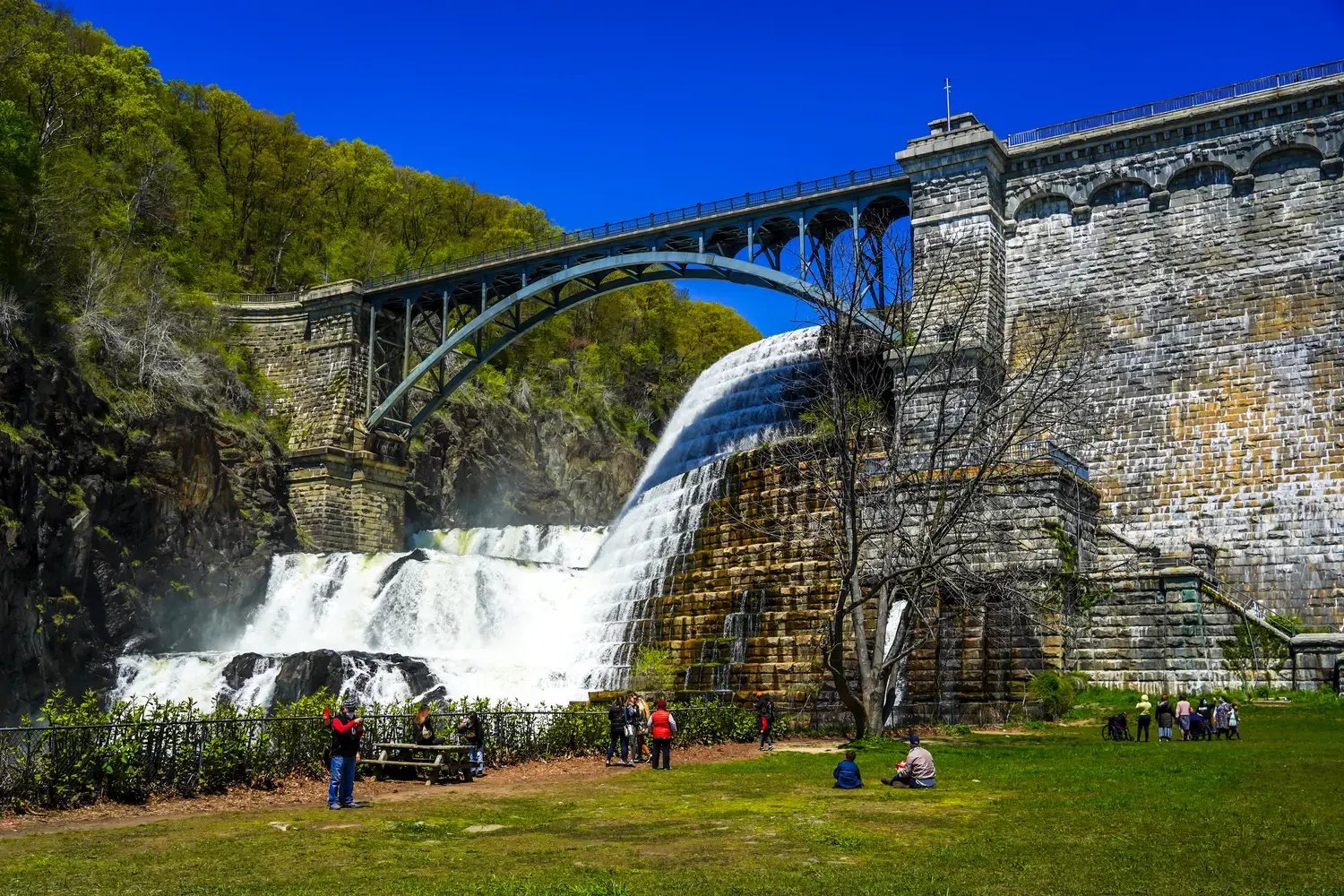
Here's something most visitors to Sleepy Hollow never realize: the wide, leafy path they're strolling along isn't just a nice walking trail. It's a roof. Beneath their feet runs a brick tunnel built in 1842, one that once carried fresh water more than forty miles from the Croton River down to Manhattan.
The Old Croton Aqueduct Trail doesn't announce itself as one of the great feats of American engineering. It just sits there quietly, grassy and unassuming, while joggers and dog walkers pass over it without a second thought. That contrast is exactly what makes it Westchester's best-kept secret, one that should be on your list to see while visiting the area.
An Engineering Marvel Hiding in Plain Sight
Before the Old Croton Aqueduct existed, water in New York City was so scarce and contaminated that cholera spread freely, fires burned unchecked, and beer was often safer to drink than water. Construction began in 1837 under engineer John Bloomfield Jervis, and three to four thousand workers, mostly Irish immigrants earning up to a dollar a day, completed the masonry tunnel in just five years.
By 1842, water flowed downhill through a seven-foot-wide brick tunnel, gently sloping about thirteen and a half inches every mile, all the way to reservoirs in Manhattan. The aqueduct stayed in active service until 1955, and the trail that now runs on top of it became a state historic park in the decades after. Walking it feels less like a hike through woods and more like walking through a piece of the city's plumbing history that simply happened to grow trees on top.
Where to Start in Dobbs Ferry
For anyone beginning in Dobbs Ferry, the original Keeper's House makes the best entry point. It's the only one of the aqueduct's original keepers' houses still standing on its original site, once home to the families responsible for monitoring the tunnel for cracks and leaks.
The house now serves as a visitor center with maps, exhibits, restrooms, and a water station, though access runs seasonally, so it's worth checking ahead. From here, the trail heads north toward Tarrytown and Sleepy Hollow, the stretch where the real magic happens.
Walking Into Washington Irving's Backyard
The trail's most surprising quality is how directly it threads through the literal landscape of The Legend of Sleepy Hollow. It passes through the grounds of the Lyndhurst estate near the south end of Tarrytown, runs close to Washington Irving's home in Sunnyside, and skirts the edge of Sleepy Hollow Cemetery, where Irving himself is buried. A back gate near the cemetery gives walkers a way to slip in and find notable graves, including Irving's, Andrew Carnegie's, and Leona Helmsley's.
The Spook Rock landmark sits just east of the pedestrian bridge that carries the trail over Route 117, a detail that feels almost too on-theme for a trail running through Sleepy Hollow. Locals like to joke that no fictional Headless Horseman would survive the traffic on modern-day Route 9, but up on the aqueduct's quiet, tree-lined ridge, the legend still feels entirely plausible.
The View That Makes the Whole Walk Worth It
Keep walking, because the trail saves its best moment for a specific stretch through Sleepy Hollow. At one point, the path rises eighty feet over the Pocantico River, with easy access nearby to Rockefeller State Park Preserve. Then the trees open up. On the right stretch of high ground, the Hudson River comes into full view, wide and silver, with the Hudson Highlands rising in the distance and the Gov. Mario M. Cuomo Bridge visible to the south on clear days.
It's the kind of view that explains, in a single glance, why this corridor of land has drawn writers, robber barons, and Rockefellers for two centuries. After miles of brick history underfoot, the river feels like the payoff the whole walk was building toward.
Practical Details for First-Timers
The Westchester section of the trail runs 26.2 miles, accessible from cross streets all along its length, with no parking lots of its own but generally easy street parking nearby. The section through Sleepy Hollow covers roughly 8.8 miles round trip and counts as an easy hike, typically taking under three hours.
The surface suits walking, jogging, biking, and strollers, though some sections run rough or muddy after rain. Comfortable shoes matter more than any technical gear.
Stay Close to the Old Croton Aqueduct Trail
The Sleepy Hollow Hotel sits at 455 South Broadway, just off Route 9 and a quick 5-minute rideshare or an approximately 35-minute walk from several of the trail's most scenic access points near the cemetery and Lyndhurst.
After a few hours spent walking on top of nineteenth-century engineering, book a stay at the Sleepy Hollow Hotel and settle in just minutes from where the legend, the history, and the Hudson all meet.